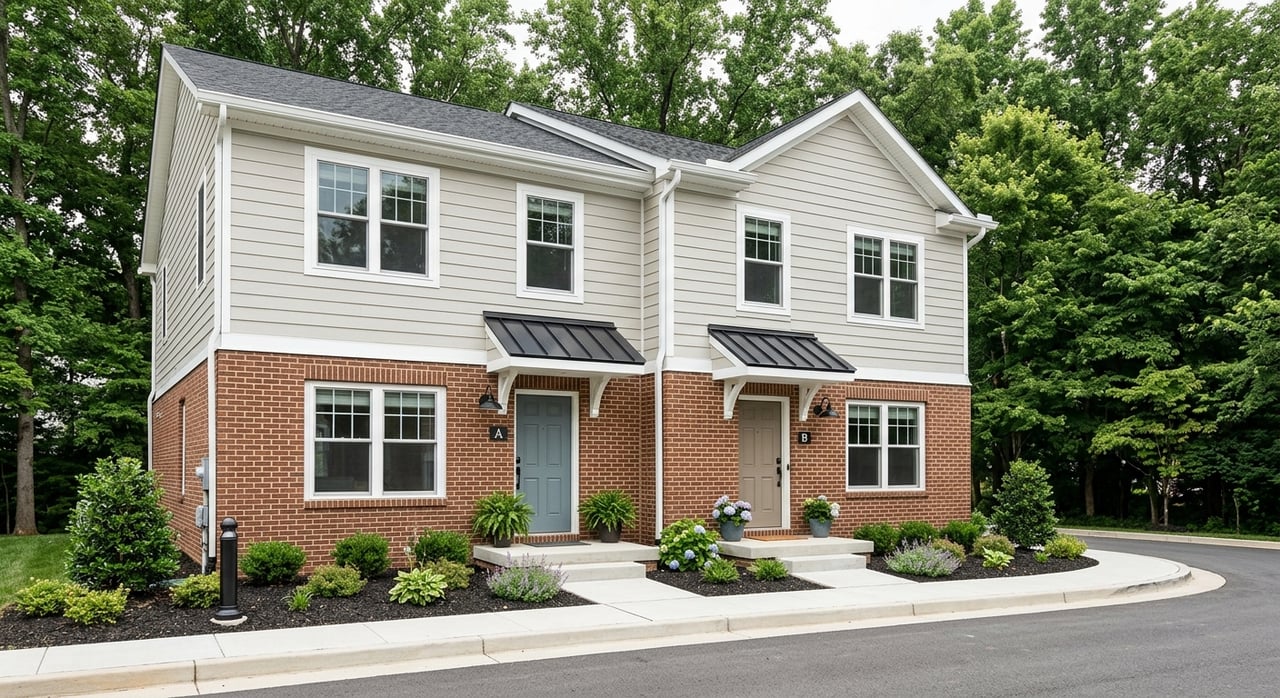
Holmdel NJ HOA Communities: A Guide for Buyers and Sellers
May 14, 2026
May 14, 2026
Buying into an HOA community in Holmdel can simplify home maintenance, but it can also add a new layer of rules, fees, and paperwork. If you are comparing homes and wondering whether an HOA is a smart fit, you are not alone. The good news is that once you understand how these communities work in New Jersey, it becomes much easier to spot the right match for your lifestyle and budget. Let’s dive in.
Holmdel includes both traditional detached homes and community-managed developments, so buyers have more than one path to homeownership. The township’s Community Development department oversees planning, zoning, construction, engineering, fire prevention, code enforcement, housing, floodplain matters, and land-use regulation, which helps shape how these communities function.
Holmdel’s affordable-housing page also identifies several named purchase communities, including Fox Chase, Gracewood Glen, Hidden Woods, The Orchards, and Palmer Square. That tells you right away that HOA and association-style living is part of the local housing landscape, not just a niche option.
Another local factor is Bell Works, the public mixed-use campus with retail, dining, events, and community programming. For some buyers, that adds to the appeal of nearby association communities because the lifestyle can feel more connected and convenience-driven than a typical subdivision.
One of the biggest points of confusion for buyers is assuming every managed community works the same way. In New Jersey, condominiums and homeowners associations are treated differently, and that difference matters when you are budgeting for repairs and reviewing what you actually own.
In a condominium, the master deed assigns each owner a percentage interest in the common elements, and you receive a deed for your unit. In a homeowners association, you usually own the land under your home while the association owns or manages shared spaces and facilities.
That means the governing documents matter just as much as the property type. Two homes may look similar from the street, but the maintenance responsibilities, financial obligations, and control over common property can be very different.
If you are buying in Holmdel, you want to know exactly where your responsibilities start and stop. A community may handle landscaping, snow removal, roads, or exterior maintenance, or it may place more of that responsibility on the homeowner.
For sellers, this distinction matters too. Buyers often ask what the monthly dues cover and who maintains what. Clear answers can make your listing easier to understand and help buyers feel more confident.
HOA dues are how associations fund common expenses. Depending on the governing documents, those fees may support landscaping, snow removal, common-area upkeep, exterior systems, roads, amenities, and management costs.
This is where the trade-off becomes real. You may pay more each month, but in return you could get less day-to-day upkeep and access to shared features that would be expensive to maintain on your own.
A local example is Cedar Village at Holmdel, a gated 55+ resale community with a clubhouse, fitness center, outdoor pool, walking and biking trails, tennis, bocce, shuffleboard, and a putting green. For some buyers, that bundled lifestyle is a major plus. For others, the required dues and community rules may feel too restrictive.
The right HOA community depends on what you value most. If you want convenience, shared amenities, and a more maintenance-light routine, an association community may be a strong fit.
If you prefer maximum control over your property and want to avoid recurring mandatory costs, a non-HOA home may feel more comfortable. Neither option is automatically better. The better choice is the one that matches how you want to live and what you want to spend over time.
New Jersey gives owners in condos, co-ops, single-family homes, and townhouses with owner-controlled associations certain rights around transparency and dispute resolution. The state’s Association Regulation Initiative focuses on access to financial records, public meetings, and alternatives to litigation for housing-related disputes.
For buyers, this is helpful because it creates a framework for reviewing how an association operates. For sellers, it means informed buyers will often ask about records, meetings, and financial transparency before making a final decision.
In New Jersey, board meetings where binding votes are taken must be open to owners, usually with at least 48 hours’ written notice. Minutes must be made available before the next open meeting.
Owners generally have the right to observe those meetings, though not always the right to speak unless the governing documents allow it. Boards may close parts of meetings for certain matters, including privacy issues, litigation, contract negotiations, attorney-client privilege, or personnel matters.
Owners may inspect accounting records at reasonable times, including receipts, expenditures, and each unit’s common-expense account. If access is denied, the New Jersey Department of Community Affairs can order compliance.
Associations must also provide a fair and efficient alternative to litigation for housing-related disputes. At the same time, the state does not regulate maintenance-fee increases or property-management companies, so those issues are largely driven by the association’s board and governing documents.
One of the most important issues in HOA and condo living today is reserve planning. As of January 8, 2024, associations of planned real estate developments in New Jersey must undertake and fund reserve studies, update them at least every five years, and maintain a 30-year funding plan.
That matters because reserves are meant to help pay for major future repairs and replacements in common areas. A stronger reserve plan can reduce the chance of surprise special assessments or emergency borrowing when large components reach the end of their useful life.
New Jersey also added procedures in January 2024 for inspecting, evaluating, and maintaining the structural integrity of certain condo and co-op buildings. If you are buying in a community with shared structures, it is smart to ask about the condition of roofs, facades, balconies, and other long-life components.
Before you commit to an HOA community in Holmdel, slow down and review the details. A beautiful home and attractive amenities do not tell you everything you need to know.
Here are some smart questions to ask:
These questions can help you compare communities more accurately. They can also reveal whether the association is well-organized, financially prepared, and aligned with your expectations.
Holmdel offers a range of association experiences, so it helps to look beyond the monthly fee. Some communities are more amenity-driven, while others may focus more on shared maintenance and basic operations.
For example, Cedar Village highlights a strong amenities package geared toward active-adult living, while Beau Ridge’s community website points to resident access for board communication, open meeting minutes, and financial statements through a resident portal. Those differences can shape your day-to-day experience just as much as the home itself.
When you compare communities, focus on three things: cost, rules, and transparency. If those three line up with your lifestyle, the home may be a strong fit.
If you are selling a home in an HOA community, buyers will likely want more than photos and square footage. They may ask about dues, amenities, maintenance responsibilities, meeting access, budget history, and current association documents.
The more organized you are, the smoother the process can feel. Having a clear summary of what the association covers, what makes the community appealing, and what documents are available can help reduce buyer hesitation.
This is especially important in communities where lifestyle is part of the appeal. If your neighborhood offers low-maintenance living, recreational amenities, or strong resident communication, those details can help buyers understand the value behind the monthly fee.
An HOA community in Holmdel can be a great fit if you want shared amenities, a more managed environment, or less hands-on upkeep. It can also be the wrong fit if you want fewer rules, lower recurring costs, or more direct control over your property.
The key is to look past the surface and evaluate the full picture. When you understand the fees, the documents, the maintenance structure, and the association’s financial health, you can make a more confident decision.
If you are thinking about buying or selling in Holmdel and want clear guidance on how an HOA community fits into your move, Debra Wickenhauser can help you sort through the details with a personal, local approach.
Get assistance in determining current property value, crafting a competitive offer, writing and negotiating a contract, and much more. Contact Debra today.