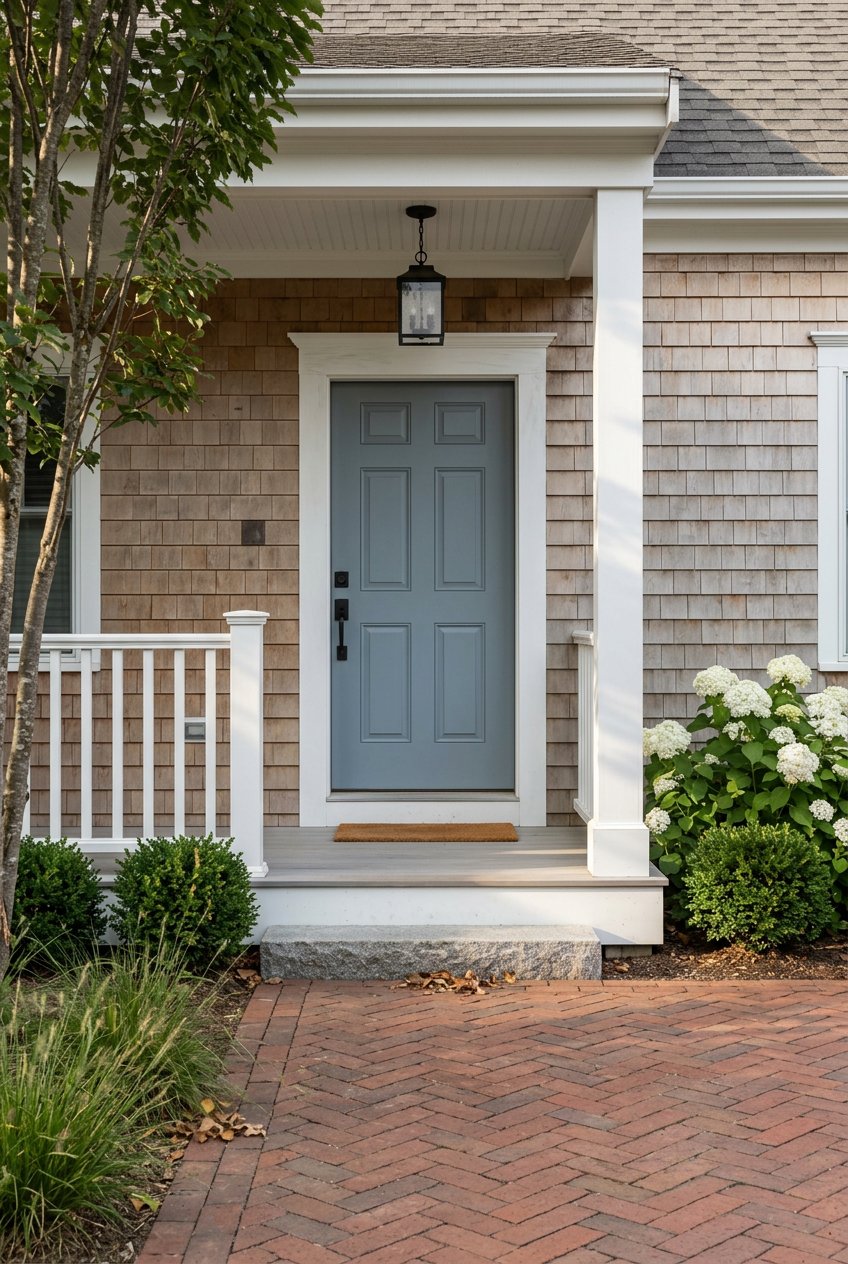
Your Guide to Middletown NJ Shore Style Homes
March 24, 2026
March 24, 2026
Picture ending your day with a gentle bay breeze, a quiet beach just down the street, and easy weekend access to the water. If that sounds like your next chapter, Middletown Township’s Bayshore might be the right fit. You want the lifestyle without surprises, so this guide lays out what to expect in shore-style homes, how to check flood risk and insurance, permits to know, and a smart buyer checklist. Let’s dive in.
Middletown Township includes several Bayshore hamlets known for shore living: Port Monmouth, Belford, Leonardo, and North Middletown/Ideal Beach. You’ll find small beaches, marinas, fishing piers, and parks that anchor the local lifestyle. For a feel of the shoreline amenities and marina access, explore the county’s overview of Bayshore parks and waterfront spots, including Bayshore Waterfront Park and nearby marinas in Port Monmouth and Belford. The Monmouth County Bayshore brochure is a helpful starting point.
Many buyers balance shore time with work in North Jersey or Manhattan. In practice, that can mean using the NJ Transit North Jersey Coast Line from Middletown station or seasonal/weekday ferry service from Belford, plus quick access to Route 36. This mix is popular with second-home owners and day-trippers who want low-key beaches and marinas without giving up city access.
Near the Bayshore you’ll see elevated cottages and bungalows, raised ranches, modest historic homes, and some low-rise condo or townhouse communities near marinas. Many homes are designed to maximize views from upper levels, which also helps with flood resilience when living areas are elevated.
Shore-style properties often include features built for coastal conditions: elevated lowest floors on piers or columns, open or breakaway ground levels for parking and storage, flood vents in enclosed foundation spaces, corrosion-resistant materials, and mechanicals placed above expected flood levels. These practices reflect established coastal-building guidance and help explain why many homes look “raised” at the shore.
Flood exposure is address-specific, even within the same neighborhood. Checking your property’s official flood zone and base flood elevation is a first-week task when you find a home you like.
Standard National Flood Insurance Program (NFIP) policies have set coverage limits for single-family homes, historically $250,000 for the building and $100,000 for contents. If the home’s replacement cost exceeds that, you may need private flood insurance or excess coverage. Review the federal guidance in the NFIP Flood Insurance Manual and compare both NFIP and private-market quotes.
FEMA’s Risk Rating 2.0 updated how NFIP premiums are calculated. Factors like distance to water, first-floor height, foundation type, and replacement cost can all affect price. Two nearby properties can therefore see very different premiums. Elevation and mitigation steps often help.
If a structure sits in a FEMA Special Flood Hazard Area, most federally regulated lenders must require flood insurance for a federally backed mortgage. Lenders document flood determinations, may escrow premiums, and can require coverage outside mapped high-risk zones. For clarity on timing and requirements, see the interagency guidance summarized by the Federal Reserve’s flood-insurance Q&A. Ask your lender early how they handle flood determinations, escrow, and acceptable proof of coverage.
If you plan to add or repair docks, bulkheads, or similar waterfront structures, expect state review. In New Jersey, the Coastal Area Facility Review Act (CAFRA), Waterfront Development Law, and Wetlands Act guide many shoreline projects. Before you budget or design, read the NJDEP’s coastal-permit framework and confirm what applies to your lot using the NJDEP Coastal Management Program policies. Some projects also involve federal reviews when work extends into tidal areas.
After Superstorm Sandy, Middletown’s Bayshore communities saw renewed focus on flood risk and mitigation. The U.S. Army Corps of Engineers has ongoing Port Monmouth efforts that include levees, floodwalls, dunes, and beach nourishment. Check the latest status using the USACE Port Monmouth project fact sheet. These improvements can shape local risk, insurance pricing, and even permitting timelines.
Coastal homes benefit from a steady seasonal routine. Middletown’s Seasonal Tips cover basics like clearing gutters and drainage, testing sump pumps, elevating or protecting mechanicals, and preparing for hurricane season and winter. For seawall or bulkhead repairs, consumer guides commonly cite broad ranges around $150 to $600 per linear foot, depending on materials, site access, and scope. Use a marine contractor’s on-site estimate for accuracy; the figures in HomeGuide’s seawall cost overview can help you plan ballpark budgets.
Use this quick list when you’re serious about a property:
Recent snapshots have placed Middletown’s median sale prices in the mid-600s to low-700s. Prices shift by neighborhood and season, so confirm current values and trends when you begin your search. A local agent who knows the Bayshore micro-markets can help you weigh lifestyle, elevation, and long-term maintenance when comparing homes.
Buying a shore-style home is as much about fit as it is about facts. With the right prep, you can enjoy sand-at-lunch simplicity, a marina around the corner, and a home that’s set up for coastal living. If you want a calm, step-by-step path to your Bayshore purchase, reach out to Debra Wickenhauser. You’ll get clear guidance, responsive service, and local insight tailored to your goals.

Get assistance in determining current property value, crafting a competitive offer, writing and negotiating a contract, and much more. Contact Debra today.