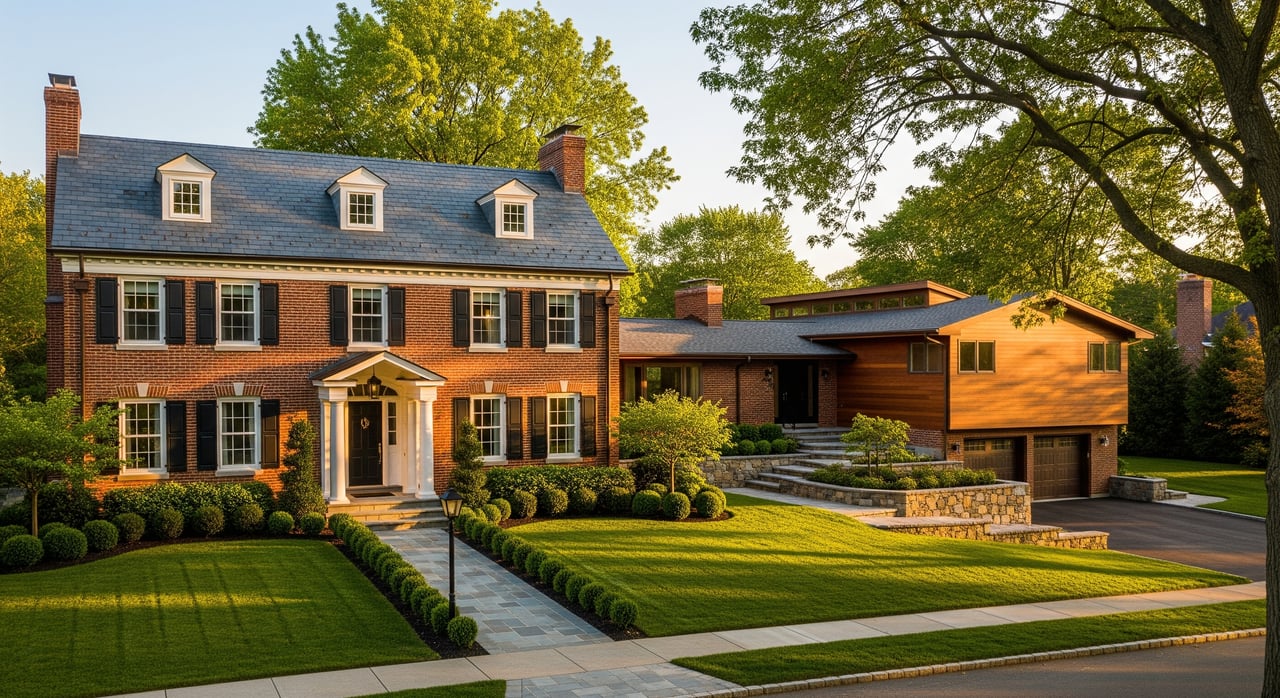
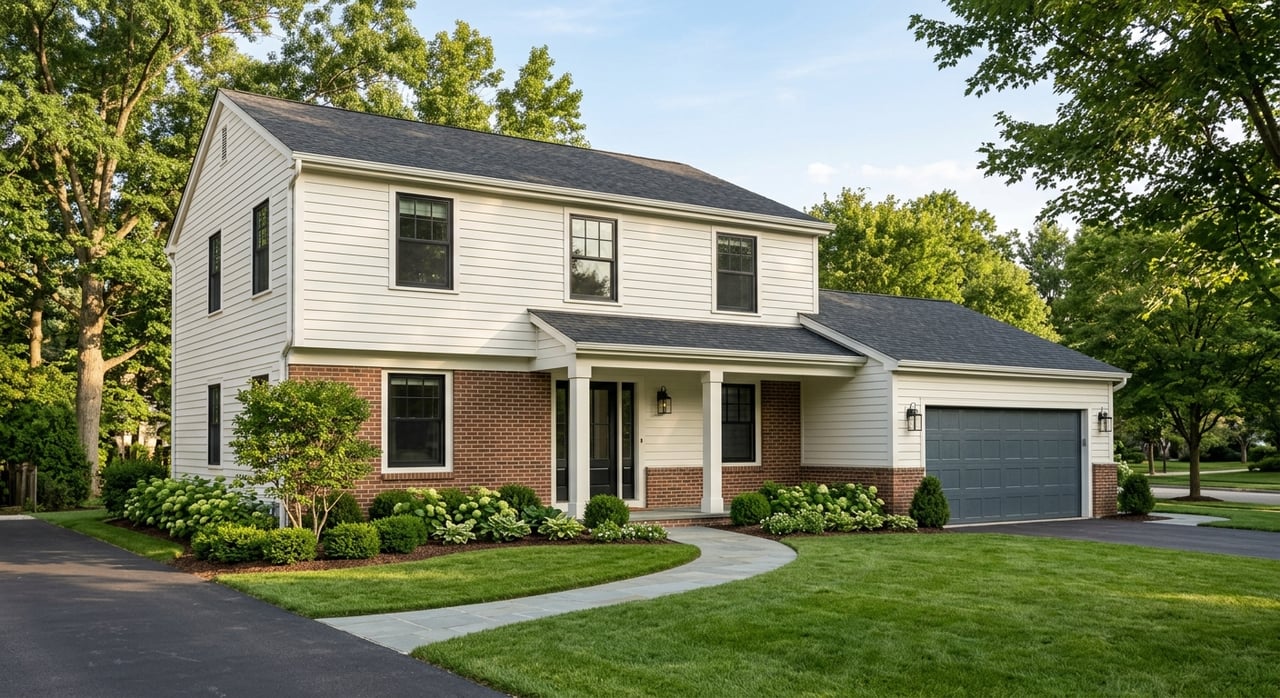
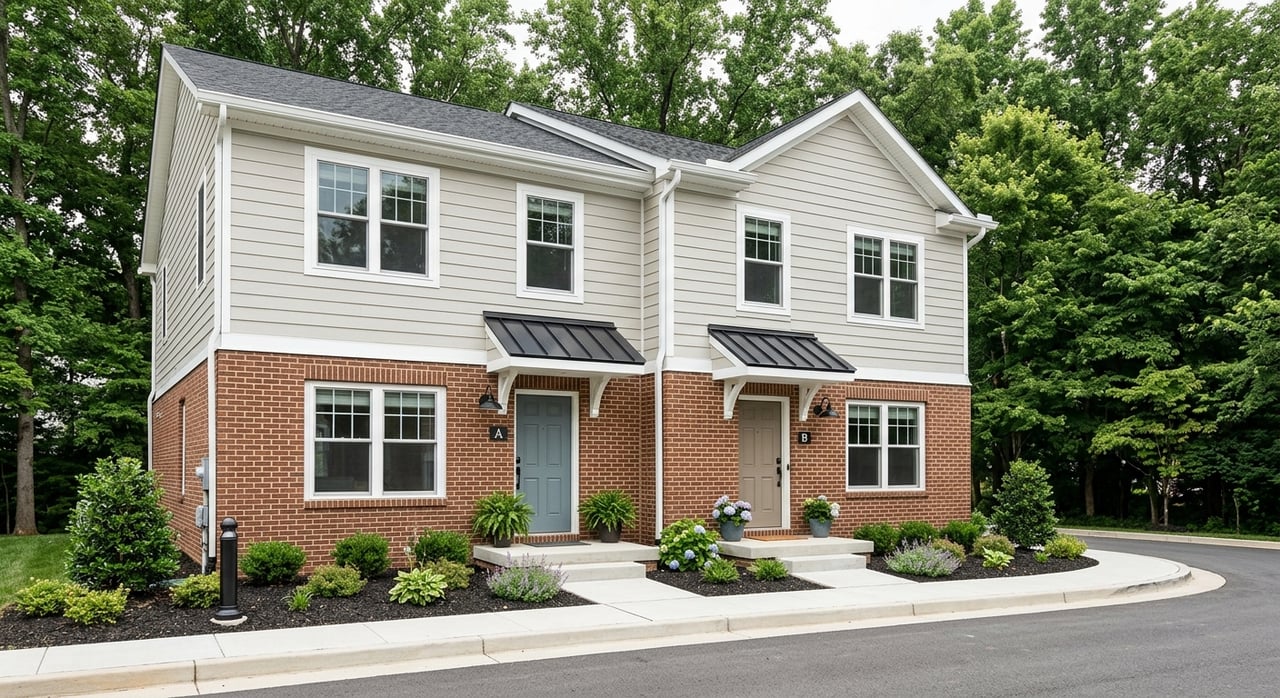
Stuck choosing between a classic Colonial and a split-level in East Brunswick? Your decision will shape how you live day to day, what renovations make sense, and how buyers view your home when it is time to sell. You want a layout that fits your routines, a lot that supports your plans, and a smart path for updates. This guide breaks down the key differences, local context, permits, renovation ideas, and a practical checklist you can use during showings. Let’s dive in.
Colonial vs split-level: key differences
Colonial layout at a glance
- Two full stories with a rectangular footprint and a mostly symmetrical look.
- Central hallway with living, dining, and kitchen on the main level, bedrooms upstairs.
- Predictable circulation and clear separation of public and private spaces.
- Uniform ceiling heights and a full second floor that often makes adding or reworking bedrooms and baths simpler.
What it feels like: orderly and traditional, with room groupings that are easy to furnish and update. Colonials often support open kitchen-family spaces with engineered beams when walls come down.
Split-level layout at a glance
- Staggered floors with short runs of stairs between levels.
- Bedrooms a half level up, and a casual family or recreation room a half level down.
- Efficient use of smaller lots and clear zoning between everyday hangout space and formal areas.
- Lower-level ceiling heights and small landings can limit some reconfigurations.
What it feels like: practical and zoned, with good separation for noise and activities. Converting to one large open area is possible but usually more complex given the multiple floor heights.
How each fits East Brunswick
East Brunswick grew rapidly from the 1950s through the 1970s, so you will see many mid-century split-levels and Colonial-style homes from that era. Later infill brought larger Colonial Revival homes and contemporary takes on the traditional two-story plan. Older postwar neighborhoods are the likeliest places to find split-levels, while more established or newer infill areas often lean Colonial.
Local draws that affect demand include access to commuter routes and NJ Transit bus options, nearby parks and recreation, and the appeal of single-family lots with usable yards. Two-car garages and practical driveway space are common buyer expectations across Middlesex County suburbs.
Renovation potential and costs
Typical Colonial projects
- Open the kitchen to a family room, or add a rear family-room extension.
- Reconfigure baths or add a full ensuite on the second floor.
- Finish a full basement for play, fitness, or office space.
Colonials usually have regular floor heights and larger continuous second-floor areas. That can make it simpler to create a true primary suite or a main-level bedroom addition if you are planning for aging in place.
Typical split-level projects
- Rework the lower level into a media or family suite with improved lighting and finishes.
- Expand or modernize the kitchen on the main level.
- Adjust stair runs or raise/level certain areas to improve flow.
Opening walls in either style can require engineered beams. With split-levels, plan for extra design work to address staggered levels and distributed loads.
Budget guidance and scope
- Minor kitchen updates typically cost in the tens of thousands, depending on materials and scope.
- Full bathroom remodels often run in the mid five figures, finish dependent.
- Basement finishing can offer good value per square foot, but waterproofing and safe egress can add to costs.
- Additions are the most expensive and require full permitting.
- Accessibility retrofits, such as lifts or small elevators, are higher-cost items.
Labor and permitting costs in New Jersey can trend above national averages. Always get multiple local contractor bids and pair them with a thorough home inspection before you set a budget.
Permits and approvals in East Brunswick
- Structural changes, additions, major mechanical, electrical, plumbing work, and basement finishing require building permits.
- Zoning rules control setbacks, lot coverage, and accessory structures. Projects that exceed limits will need a variance.
- Some homes may have HOA or deed restrictions, so check property records early.
Start planning by confirming requirements, submission materials, fees, and timelines with the East Brunswick Township Building and Zoning Department before you design in detail.
Outdoor space and site factors
- Colonials are often on deeper lots, which can better support patios, pools, and rear additions that connect to an expanded family room.
- Split-levels may sit on modest lots. Side and rear setbacks, easements, and sloped sites can limit where and how you add space.
- Across East Brunswick, pay attention to grading and drainage. Many properties benefit from improved roof runoff control, regrading, or basement waterproofing.
- Garage orientation matters for daily life and resale. Two-car garages and practical driveway space are widely expected.
Resale outlook in Middlesex County suburbs
There is no universal rule that one style beats the other. Buyers respond to location, lot, condition, and the quality of updates more than the label on the façade. A well-renovated Colonial often draws broad interest because it matches common expectations. A fully updated split-level with a bright kitchen and a finished lower level can compete strongly when priced to the market.
- Colonial strengths: broad appeal, easy to stage for families, straightforward to modernize into open living.
- Colonial watchouts: larger homes can mean higher maintenance and energy costs.
- Split-level strengths: efficient use of space, built-in separation for noise and activities, often a smaller maintenance footprint.
- Split-level watchouts: multiple short stairs and choppy sightlines may not fit buyers who want a single open great room.
Which suits you: quick scenarios
- If you want one-floor living options now or soon, a Colonial may be easier to adapt with a main-level suite.
- If you want distinct activity zones and a practical family room away from formal space, a split-level can fit well.
- If you want outdoor living and future expansion, look for deeper lots that often accompany Colonials.
- If maximum buyer pool is your priority, focus on well-located Colonials with updated kitchens and a true primary suite.
Debra’s on-site checklist for showings
Use this list to quickly gauge fit and future potential:
- Room counts and placement: number of bedrooms and full baths, and whether a main-floor bedroom exists or could be added.
- Circulation: number of short stair runs, traffic flow, and how social spaces connect.
- Structural clues: long uninterrupted walls or visible beams that signal how easy it is to open rooms.
- Ceiling heights and room proportions: note lower ceilings in split-level lower levels.
- Mechanical systems: age and location of HVAC, water heater, electrical panel capacity, and visible insulation.
- Water intrusion and grading: look for dampness, sump pumps, or exterior grading issues.
- Lot constraints: side and rear setbacks, easements, tree cover, and usable yard area for outdoor living or additions.
- Garage and parking: check for two-car capacity and practical driveway access.
- Permit history: ask about past structural work and whether permits and inspections were completed.
Smart next steps
- Confirm renovation feasibility with a licensed inspector and obtain two to three contractor bids for any major project.
- Review township building and zoning requirements early to avoid design changes later.
- Compare floor plans against your top three daily-life priorities, such as one-floor living, outdoor space, or budget for updates.
When you are ready to narrow the list, schedule a planning call with a trusted local agent who knows how each layout performs in East Brunswick. For a personal, hospitality-first approach and clear guidance from search to closing, connect with Debra Wickenhauser. Request a free home valuation or buyer consult today.
FAQs
What makes a Colonial easier to open up for modern living?
- Colonials usually have regular floor heights and larger continuous areas, so creating an open kitchen and family room often requires fewer structural changes than unifying the staggered levels in a split-level.
Are split-level homes hard to retrofit for accessibility in East Brunswick?
- Split-levels have multiple short stair runs, so adding lifts or reworking circulation can be more involved and costly. A Colonial often adapts more easily by adding a main-floor bedroom and bath.
How do building permits work for additions and remodels in East Brunswick?
- Structural changes, additions, and major system work require building permits, and zoning rules govern setbacks and lot coverage. Projects that exceed limits may need a variance, so contact the township early.
Which style has better resale in East Brunswick: Colonial or split-level?
- It depends on location, lot, condition, and updates. Renovated Colonials often draw a broader buyer pool, but a well-updated split-level in a prime area can sell just as well when priced correctly.
How much should I budget to modernize an older home in Middlesex County?
- Minor cosmetic updates can be several thousand dollars, while full kitchen and bath remodels often run into the mid five figures or more. Additions and accessibility lifts are higher-cost items, so get multiple local bids.