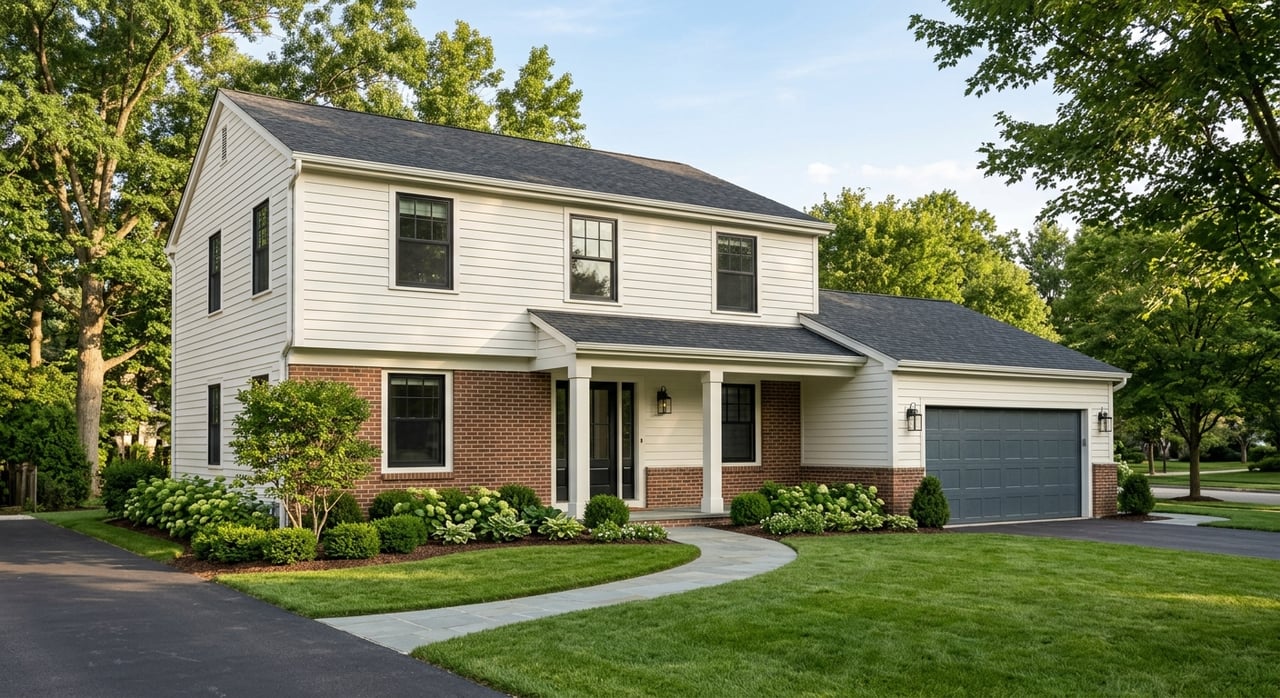
What To Expect From Single-Family Homes In Tinton Falls
June 25, 2026
June 25, 2026
Looking for a single-family home in Tinton Falls? You may be surprised by how much variety you can find in one borough. If you are trying to figure out whether Tinton Falls fits your budget, space needs, and lifestyle, it helps to know that this is not a one-look, one-era housing market. This guide will walk you through what to expect from single-family homes in Tinton Falls so you can tour with more confidence. Let’s dive in.
Tinton Falls is a 15.6-square-mile borough in eastern Monmouth County, and its housing pattern is shaped by a mix of residential areas, open space, redevelopment tracts, and major roads like Route 18 and the Garden State Parkway. Borough planning documents describe the town as a place with scattered residential neighborhoods rather than one large, continuous stretch of single-family subdivisions.
That matters when you start your home search. In Tinton Falls, one pocket can feel very different from the next in terms of lot size, street layout, and housing age. You are more likely to see a mix of established neighborhoods and newer development areas than one uniform housing experience.
Single-family housing plays a major role in the local inventory. According to the borough’s latest ACS-based housing plan, detached single-family homes make up 45.3% of the housing stock, while attached single-family homes make up 22.6%.
Together, that means about 67.9% of Tinton Falls housing units fall into the single-family category. For buyers, that is a helpful sign that single-family living is a major part of the market here, even though it comes in more than one form.
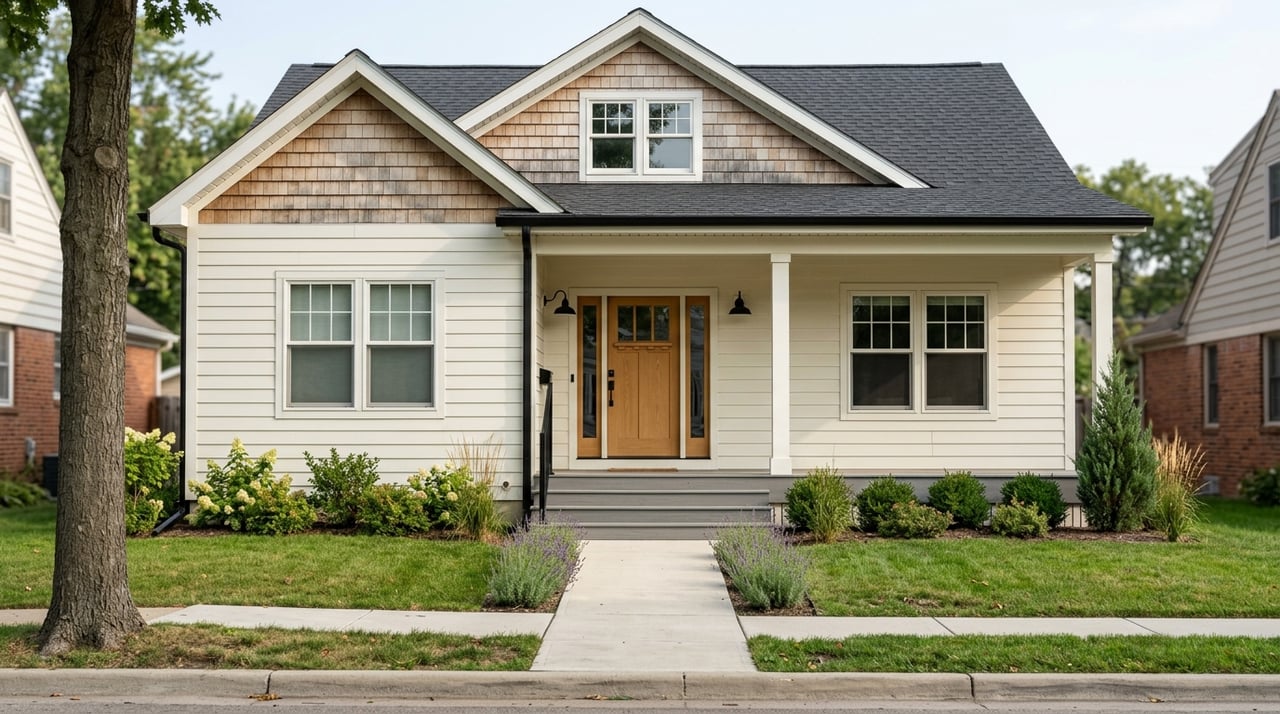
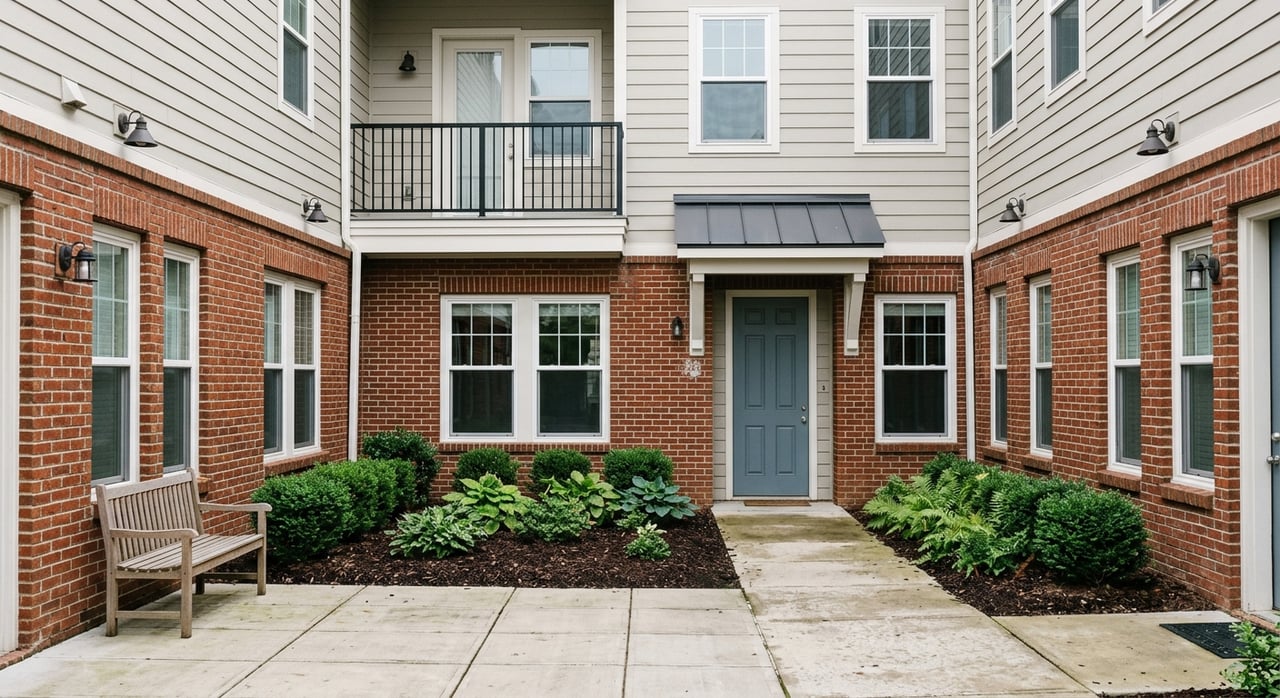
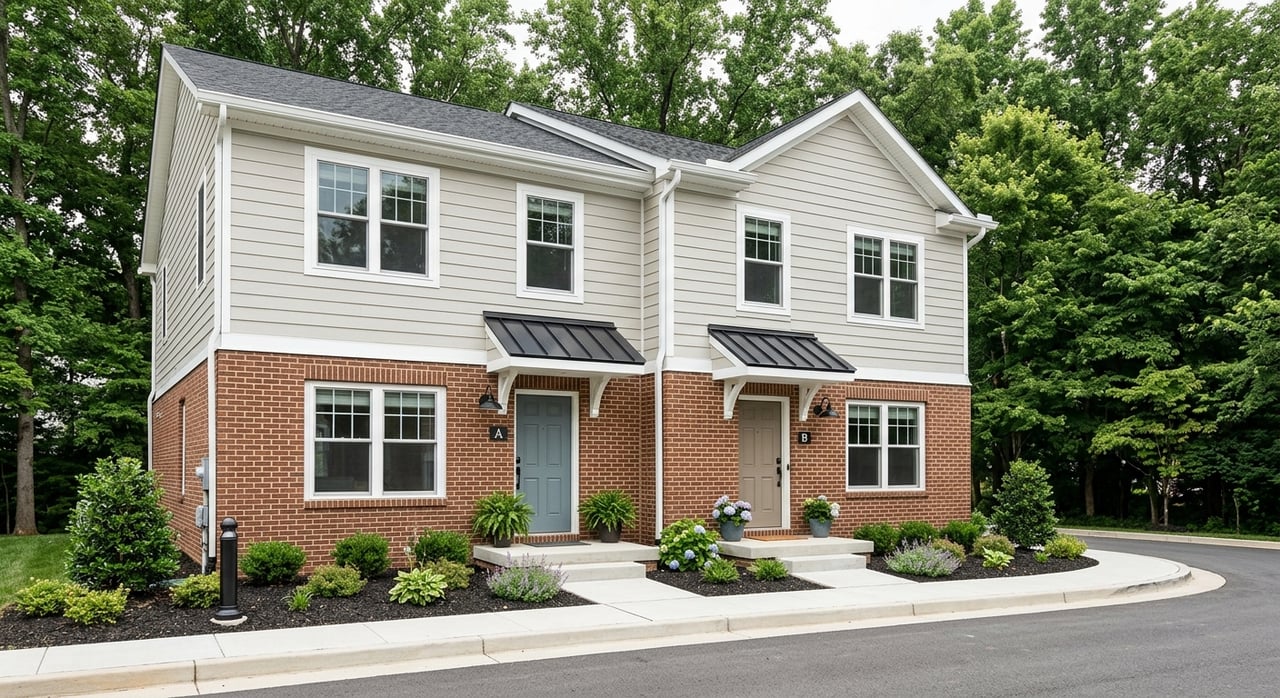
When many buyers hear “single-family,” they picture only a detached house on its own lot. In Tinton Falls, that is only part of the story. You can also find attached single-family options, including townhouse-style homes, depending on the neighborhood and development pattern.
This broader mix gives you more flexibility. If you want the feel of single-family living but prefer a different footprint, lower exterior upkeep, or a newer planned development setting, Tinton Falls may offer more options than you expect.
If you are hoping for a market filled with older prewar homes, Tinton Falls may not feel like that kind of search. The median year structure built is 1992, and about 76.8% of structures date to 1980 or later.
The largest age band is 1990 to 1999 at 32.4%, followed by 1980 to 1989 at 21.5%. Another 13.9% were built from 2000 to 2009, and 8.95% were built in 2010 or later. Only 23.3% of structures were built before 1980.
In practical terms, many home tours in Tinton Falls will lean toward late-20th-century and early-21st-century suburban housing. You may see layouts, room counts, and neighborhood designs that reflect those eras rather than much older housing stock.
The safest and most accurate way to think about style here is not by formal architectural labels. Borough documents support a description of suburban-era detached homes, attached or townhouse-style homes, and redevelopment-era housing rather than a tightly defined style inventory.
Tinton Falls homes are generally not tiny. The median number of rooms is 5.5, and 49.9% of housing units have 6 or more rooms.
That does not mean every home will feel large, but it does suggest many buyers will find practical everyday space. If you need room for a home office, guests, hobbies, or simply a more flexible layout, Tinton Falls has a housing profile that may support those goals.
One of the biggest things to expect in Tinton Falls is variation in lot size. Residential bulk regulations allow a wide range depending on the zoning district.
For example, RA requires 80,000-square-foot lots. R-1 allows 40,000 square feet with sewer and water or 60,000 square feet with septic, with a 30,000-square-foot cluster option. R-2 allows 30,000 square feet with sewer and water or 60,000 square feet with septic, with a 20,000-square-foot cluster option. R-3 is 11,500 square feet, while R-4 and AR are 8,000 square feet.
Because lot standards vary so much, two single-family homes in Tinton Falls can offer very different outdoor space and neighborhood feel. A home in one district may sit on a much larger lot, while another may be part of a more compact suburban setting.
That is why one of the most useful questions to ask is not just whether a home is single-family, but which zoning district and subdivision era it comes from. That detail can tell you a lot about what to expect from the lot, layout, and surrounding streetscape.
The current zoning map shows multiple residential districts across the borough, including RA, R-1, R-2, R-3, R-4, R-4-A, and AR, alongside transportation, open-space, and redevelopment areas. In simple terms, single-family housing is spread through the borough in pockets rather than in one consistent belt.
The borough’s 2007 land-use plan also noted that most single-family housing was in relatively recent subdivisions with curving streets and cul-de-sacs. The northeast corner was described as the main exception, with a more traditional grid pattern.
Tinton Falls has added a meaningful amount of housing in recent decades. Between 2000 and 2023, the borough issued permits for 2,233 residential dwelling units and added 2,144 units net after demolitions.
That helps explain why buyers often see both older established streets and newer infill or redevelopment-era subdivisions. More recent planning documents also reference developments such as Regency at Trotter’s Pointe, Greenbriar Falls, Rose Glen, Avalon, and Enclave at Shark River, along with townhomes and single-family residences built within the former Fort Monmouth area.
Tinton Falls has the feel of an established suburban market. In 2019 through 2023 ACS estimates, 81.4% of occupied units were owner-occupied.
The borough also shows strong residential stability. Census data indicates that 92.2% of people age 1 and older were living in the same house one year earlier. For you as a buyer, that can suggest a market where many owners stay put and neighborhoods tend to feel settled over time.
The median owner-occupied home value in Tinton Falls was $458,300 based on recent Census data. For context, Monmouth County’s median was $566,500.
That does not mean every single-family home in Tinton Falls is a bargain, and list prices will vary by home type, condition, lot size, and location within the borough. Still, this data supports describing Tinton Falls as a more moderate-priced Monmouth County suburb rather than one of the county’s highest-priced markets.
If you are comparing single-family homes in Tinton Falls, it helps to focus on a few key factors early:
These points can help you narrow your search faster and avoid assuming every neighborhood offers the same experience.
If you are selling a single-family home in Tinton Falls, the borough’s variety can work in your favor. Buyers often need help understanding where your home fits within the broader market, especially when lot sizes, neighborhood layouts, and build eras differ from one pocket to another.
That makes clear pricing, strong presentation, and polished marketing especially important. When your home is positioned well, buyers can more easily see how it compares within Tinton Falls and against nearby Monmouth County options.
If you want help understanding how your home fits into the Tinton Falls market, or you are ready to start your search, Debra Wickenhauser offers the local guidance, responsive service, and full-service support that can make the process feel much smoother.
Get assistance in determining current property value, crafting a competitive offer, writing and negotiating a contract, and much more. Contact Debra today.